
Crafting Your Beginner Workout Plan: Simple Steps to Fitness
Your Comprehensive Guide to Starting an Effective and Sustainable Fitness Journey
Starting a fitness journey can often feel overwhelming. Many aspiring exercisers find themselves wondering where to begin, faced with a deluge of information and seemingly complex routines. This initial confusion is a common hurdle that can stop progress before it even starts, preventing you from ever truly embracing a consistent workout routine.
However, with a clear and structured beginner workout plan, you can remove the guesswork and build confidence, setting a strong foundation for long-term consistency. This comprehensive guide is designed to provide you with simple, step-by-step instructions, empowering you to create your very first effective workout routine and confidently embark on your fitness journey.
📌 What You'll Learn
- ✅ How to assess your fitness and set SMART goals.
- ✅ The essential components of an effective workout plan.
- ✅ Sample routines for home and gym environments.
- ✅ The critical roles of nutrition, recovery, and progression.
- ✅ Strategies for staying motivated and overcoming challenges.
Understanding Your Starting Point: Assess & Set Goals
❓ Ready to start? Before you jump into reps and sets, let's assess where you are and where you want to go. Why are these first steps so crucial for a sustainable fitness plan?
Embarking on any new fitness plan begins not with a sprint, but with a thoughtful assessment of your current health and capabilities. It's essential to understand your body's starting point to ensure your journey is safe and effective. Before increasing physical activity, a health check-up is highly recommended, especially if you have chronic conditions or previous injuries. [IL_ANCHOR: consulting a healthcare professional]
💡 Quick Tip: Your first goal isn't perfection; it's consistency. Start small, stay regular!
Identifying any physical limitations or previous injuries is a critical part of this pre-workout checklist. Knowing these will help you tailor your beginner workout plan to prevent setbacks and ensure a positive experience. Remember, your fitness journey is personal, and listening to your body is paramount.

Once assessed, the next crucial step is setting SMART goals. Whether your aim is improved endurance, basic strength, flexibility, or fat loss, setting goals that are Specific, Measurable, Achievable, Relevant, and Time-bound will provide clear direction. Realistic goals prevent burnout and are key to maintaining motivation throughout the 'how to make a fitness plan' strategy.
Finally, consider what activities you genuinely enjoy. Finding pleasure in your workouts is a powerful driver for long-term adherence, making your fitness journey a sustainable and fulfilling part of your life.
Prioritizing a health check-up before beginning exercise can prevent injuries and ensure your plan is safe and effective for your body.
🎯 Key Takeaway
Assessing your current fitness, addressing limitations, and setting SMART, enjoyable goals form the bedrock of a successful and sustainable beginner workout plan.
Key Components of an Effective Beginner Workout Plan
❓ What truly makes a workout effective, especially when you're just beginning? Understanding the core components of a good beginner workout plan is key to building a routine that works for you.
An effective beginner workout plan is built upon three fundamental pillars: cardiovascular training, strength training, and flexibility. Each component plays a vital role in enhancing overall health and fitness. Neglecting any one of these can lead to imbalances and hinder your progress.
💡 Did You Know? Consistent warm-ups and cool-downs can significantly reduce your risk of exercise-related injuries!
Equally important are warm-up and cool-down routines, serving as crucial steps for injury prevention. A proper warm-up prepares your muscles and cardiovascular system for activity, while a cool-down aids recovery and flexibility. The role of rest days and active recovery is also paramount in a balanced workout routine, allowing your body to repair and grow stronger. [IL_ANCHOR: benefits of strength training]
Cardiovascular exercises, often called cardio, are essential for building your engine for endurance. Beginner-friendly options like walking, cycling, swimming, or rowing are excellent starting points. Aim for consistency, perhaps starting with 3 sessions of 30 minutes per week, to reap benefits such as improved heart health, increased stamina, and better mood.
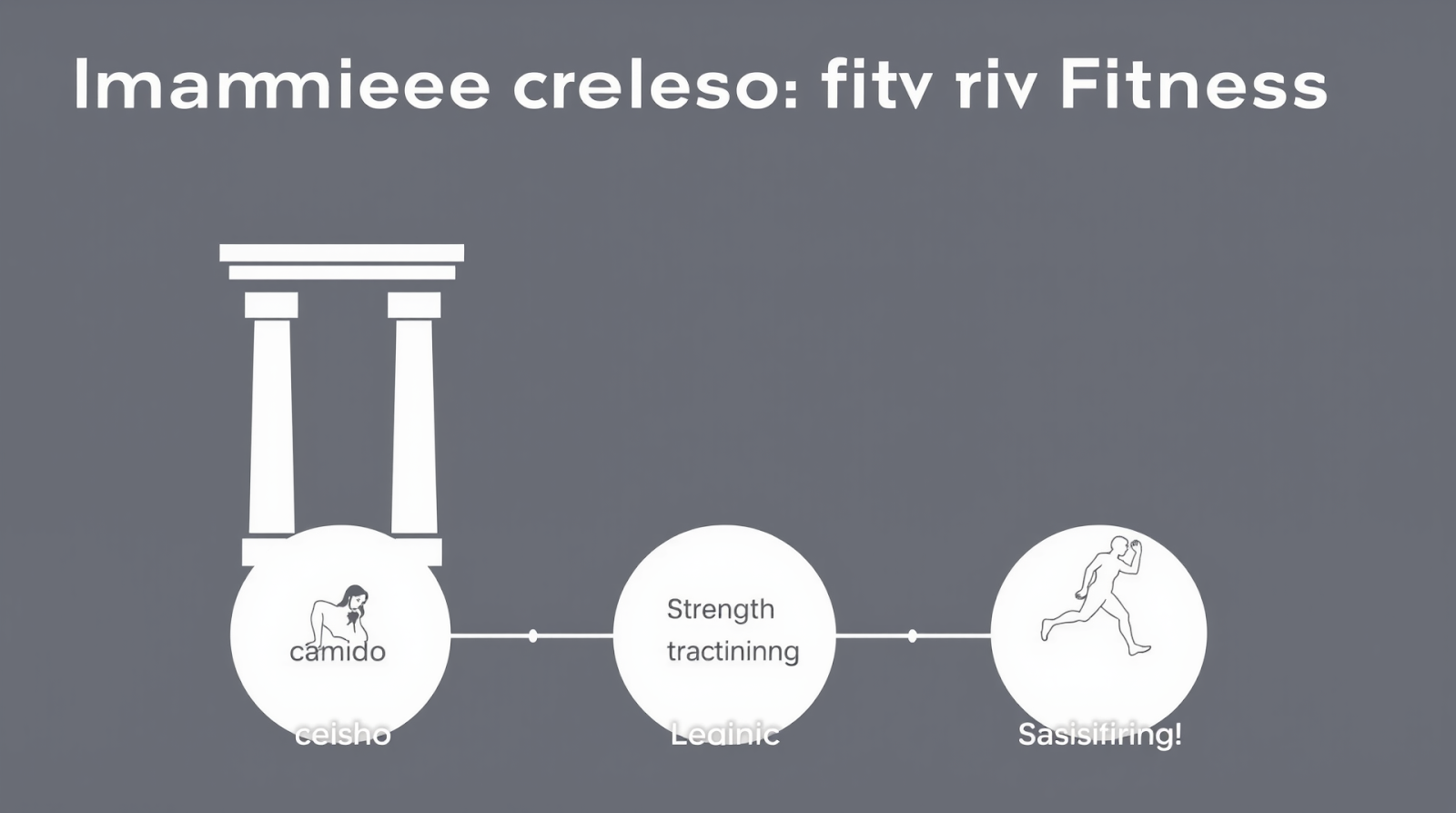
Strength training focuses on building muscle and confidence. For beginners, it's wise to focus on compound movements that engage multiple muscle groups for full-body strength. Bodyweight exercises, such as squats, push-ups, and lunges, are excellent and accessible starting points for beginner workout routines, promoting muscle gain, fat loss, and improved bone density and metabolism.
Finally, flexibility and mobility work are crucial for preventing injury and enhancing movement. Incorporating dynamic warm-ups to prepare your muscles and static cool-downs to lengthen them can significantly improve your range of motion and overall physical health. Simple stretching routines after your workout are a great way to start.
The three most important elements of fitness are cardiovascular training, strength training, and flexibility, all working together to create a balanced routine.
🎯 Key Takeaway
A well-rounded beginner workout plan integrates cardio, strength, and flexibility, supported by essential warm-ups, cool-downs, and rest for optimal results and injury prevention.
Designing Your Weekly Schedule: Frequency and Structure
❓ How many days a week should you actually work out as a beginner? Let's design a realistic weekly schedule that promotes consistency and prevents burnout.
When designing your weekly workout plan, consistency is far more important than intensity, especially when you're just starting. For beginners, it's recommended to start with 2-3 days per week to build habits and allow your body adequate time for recovery. This frequency helps to prevent overtraining and maintain motivation.
🗓️ Did You Know? Scheduling your workouts like important appointments increases adherence and makes exercise a non-negotiable part of your week!
As your fitness improves, you can gradually increase both the frequency and duration of your workouts. For most beginners, full-body workouts are highly beneficial. They are efficient for strength building and skill acquisition because they allow you to hit all major muscle groups multiple times a week without excessive volume for any single group. [IL_ANCHOR: full-body workouts]
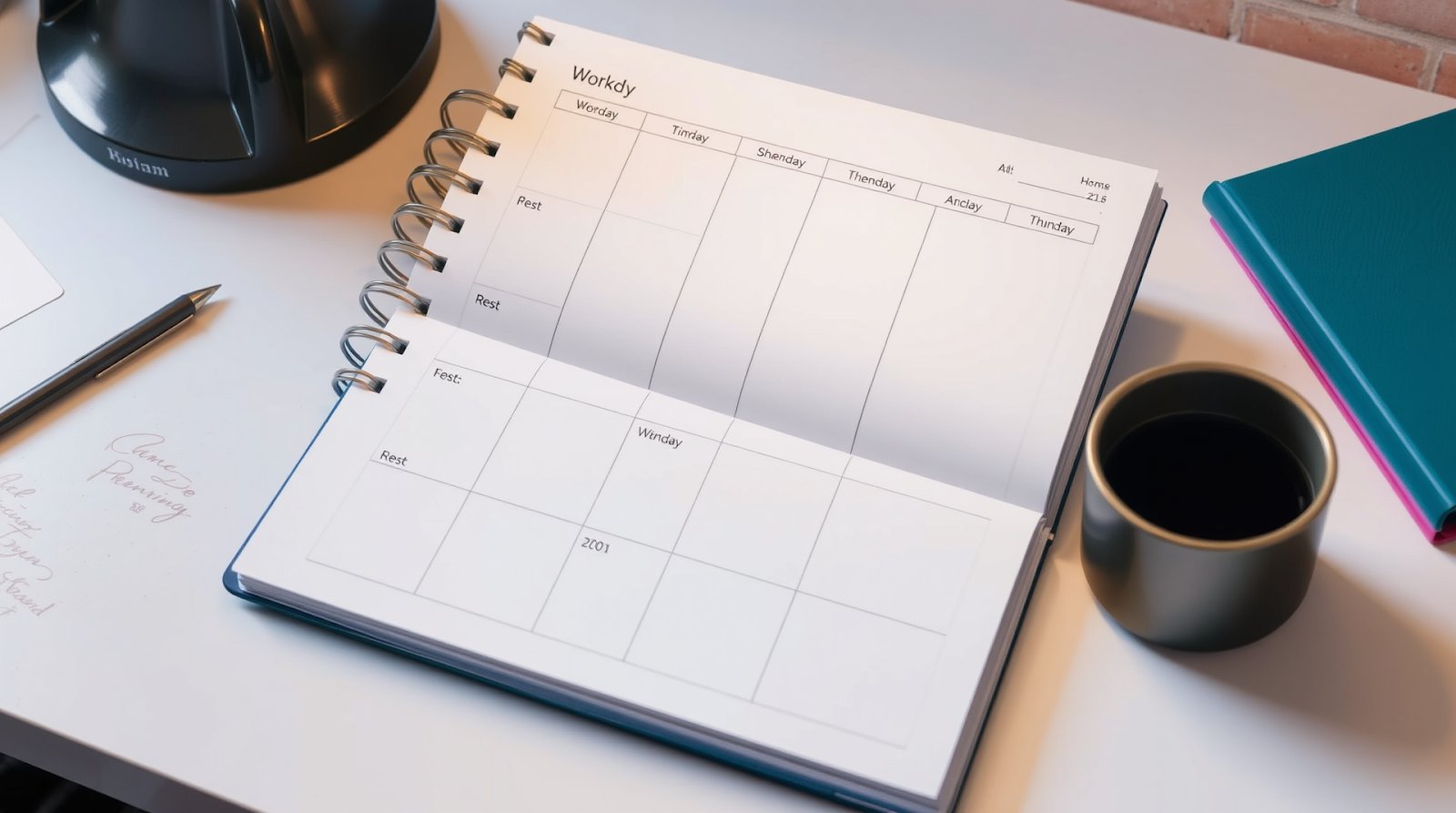
Each session should be structured to include a warm-up, the main workout, and a cool-down. This systematic approach ensures your body is prepared for exercise and properly recovers afterward, minimizing soreness and the risk of injury.
Understanding how to group muscle groups, even for eventual split routines, can also inform your full-body workouts by ensuring comprehensive engagement across your weekly schedule.
Create a workout plan that works for one's schedule, providing a step-by-step guide for sustained fitness success.
🎯 Key Takeaway
For beginners, 2-3 full-body workouts per week, coupled with proper warm-ups, cool-downs, and adequate rest, creates a sustainable and effective weekly schedule.
Sample Beginner Workout Plans for Home & Gym
❓ Overwhelmed by exercise choices? Let's dive into concrete, actionable beginner workout routines you can do right at home or confidently at the gym.
One of the biggest hurdles for beginners is knowing what exercises to do. Fortunately, effective beginner workout plans can be tailored for any environment, whether you prefer the comfort of your home or the resources of a gym. The key is to start with foundational movements that build a solid base.
💡 Quick Tip: Don't underestimate bodyweight exercises! They build a fantastic foundation of strength and body control.
For your first at-home bodyweight workout routine, focus on exercises requiring no or minimal equipment. Squats, push-ups (modified on knees or against a wall), lunges, and planks are excellent choices for full-body engagement. You can easily create a simple circuit, performing each exercise for a set number of repetitions or time, and repeat the circuit. Utilizing online resources, like YouTube fitness channels, can provide excellent guidance and visual demonstrations for these 'bodyweight exercises'. [IL_ANCHOR: bodyweight exercises]
If you're heading to the gym, a beginner gym workout plan should prioritize machines and free weights for fundamental compound lifts. Examples include goblet squats, dumbbell bench press, and lat pulldowns. Many gyms offer guidance specifically for 'gym workout routine for men' and 'women's workout gyms near me' beginners, helping you navigate equipment and form.
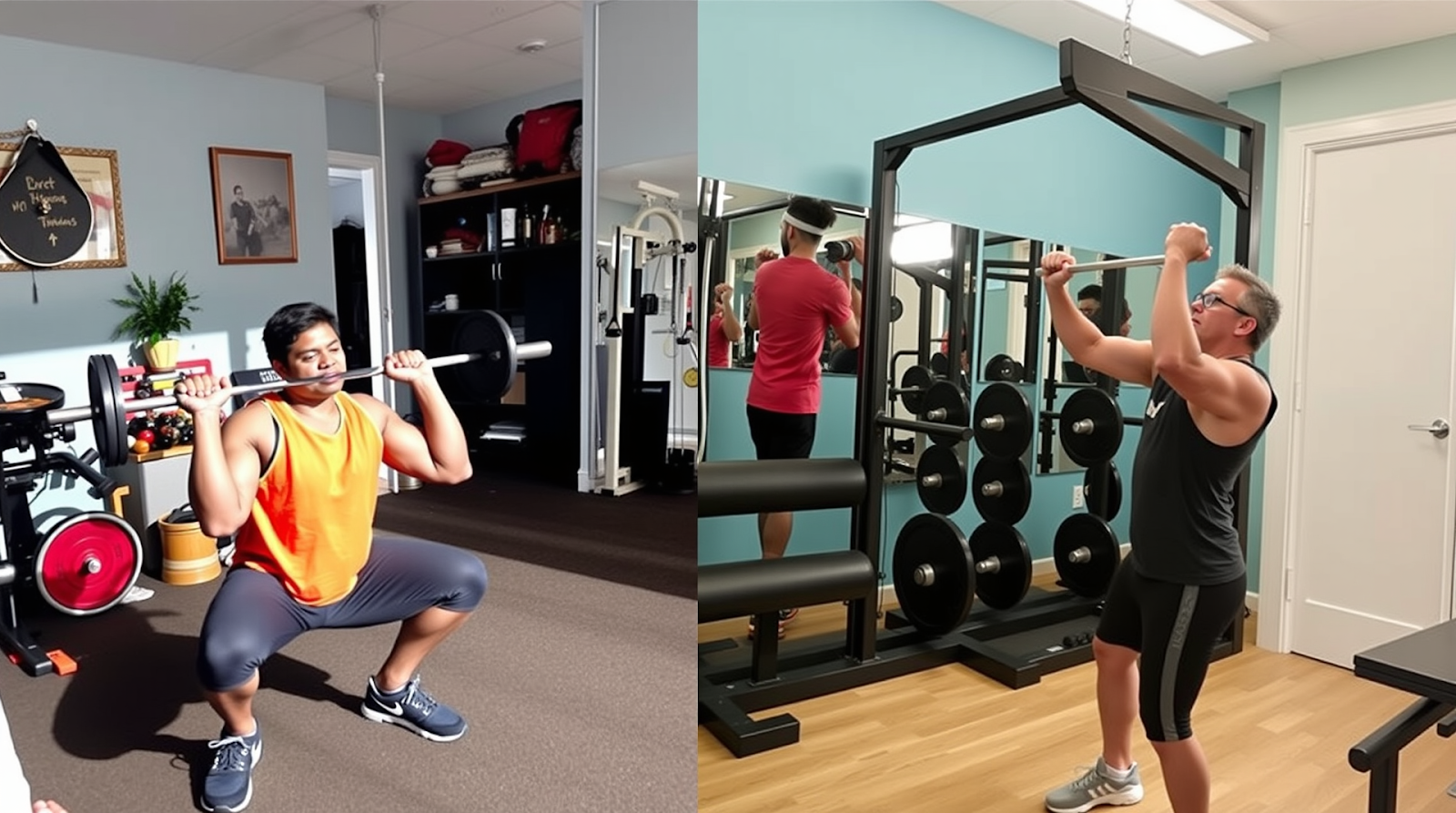
Starting simple and focusing on correct technique can help overcome initial gym anxiety and build confidence. Remember, the goal is to get moving and comfortable with the exercises, regardless of your chosen environment or demographic focus. Consistency will lead to progress.
Offers a huge range of free, expert-designed workout plans for both men and women, including beginner-specific programs.
🎯 Key Takeaway
Effective beginner workouts can be performed at home with bodyweight or at the gym focusing on fundamental compound movements, adaptable for all.
Beyond the Workout: Nutrition, Recovery, and Progression
❓ Did you know your fitness journey extends far beyond just the exercises? Let's explore how nutrition, recovery, and smart progression are vital for optimal results.
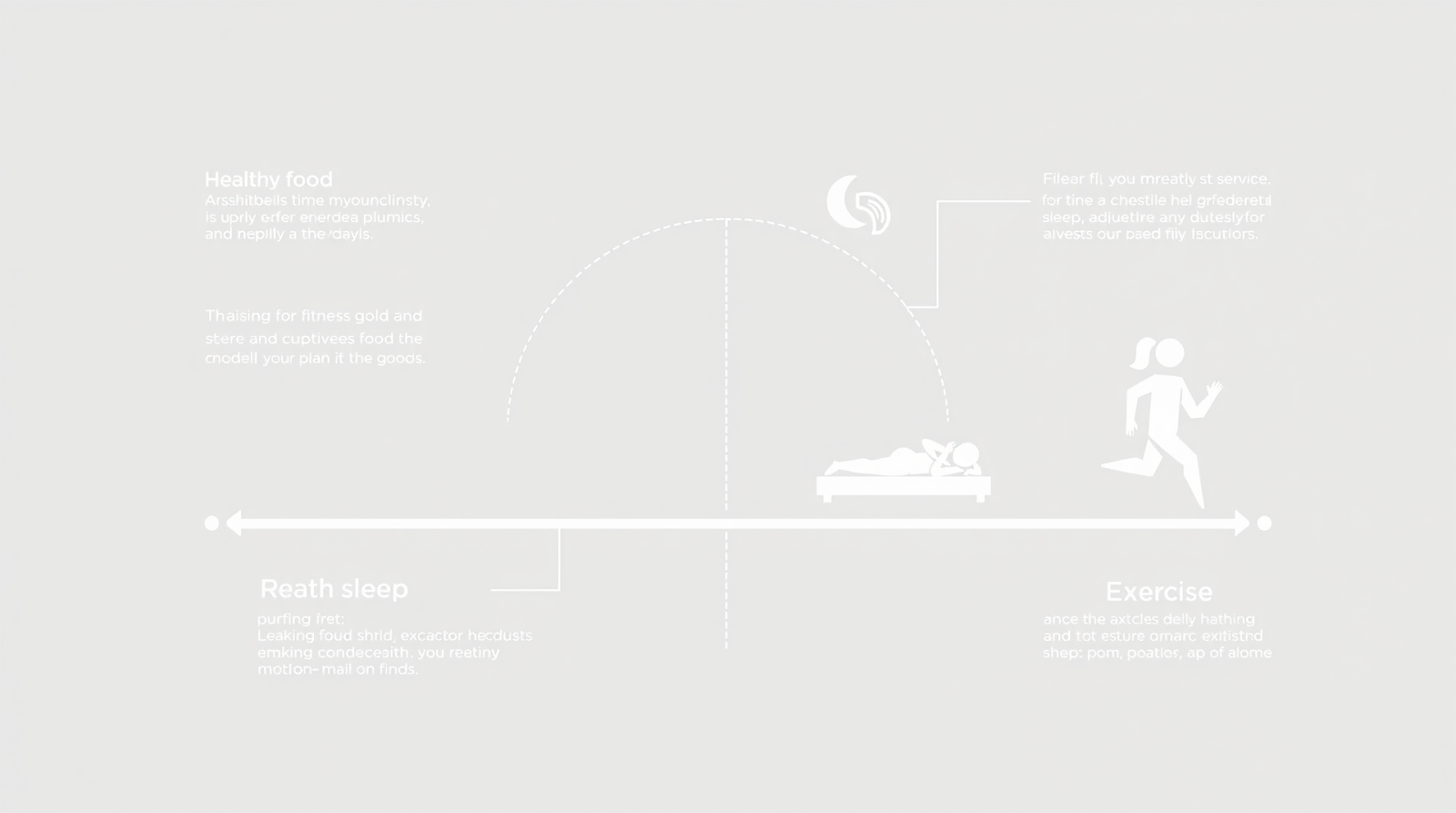
A comprehensive fitness plan doesn't end when your workout does; it's a holistic approach that integrates lifestyle factors for optimal results and long-term success. Nutrition plays a critical role in supporting energy levels, muscle repair, and fat loss. What you eat directly fuels your body's performance and recovery.
💪 Quick Tip: Think of nutrition and rest as your silent training partners – they're just as important as your active workouts!
Focus on whole, unprocessed foods and ensure adequate protein intake to support muscle growth and repair. Understanding your calorie needs for specific goals, like weight loss or muscle gain, and staying hydrated throughout the day are simple yet powerful nutritional guidelines. [IL_ANCHOR: healthy meal plans]
Adequate sleep and dedicated rest days are as important as your workouts for physical and mental recovery. Muscle repair and growth primarily occur during rest, making 7-9 hours of quality sleep non-negotiable. Incorporating active recovery ideas, such as light walks or gentle stretching, can further aid the process without taxing your body.
Finally, to continually challenge your body and prevent plateaus, you must understand the principles of progressive overload. This means gradually increasing the reps, sets, or weight of your exercises, or decreasing rest time between sets. Varying exercises periodically also helps to keep your routine fresh and challenges your muscles in new ways, ensuring ongoing adaptation and progress beyond beginner workouts.
Integrate training, nutrition, and recovery for effective body recomposition and long-term success.
🎯 Key Takeaway
Optimal fitness results are achieved through a balanced approach that combines consistent exercise with mindful nutrition, adequate recovery, and smart progressive overload strategies.
Staying Motivated & Overcoming Common Beginner Challenges
❓ What are the biggest challenges beginners face, and how can you stay motivated through them? Learn strategies to keep your fitness journey on track, even when things get tough.
Starting a new fitness routine comes with its fair share of psychological hurdles. Maintaining motivation and consistency is crucial for long-term success. It's important to recognize that setbacks are a normal part of the journey, and developing strategies to overcome them is key.
⚠️ Warning: Pushing too hard, too fast, without proper form is a common cause of beginner injuries. Listen to your body!
Make exercise a non-negotiable habit by scheduling it like an important appointment in your calendar. Finding accountability partners or joining group classes can provide a supportive community and boost your commitment. Tracking your progress, no matter how small, allows you to visualize achievements and stay motivated. [IL_ANCHOR: find your motivation]
Common challenges include plateaus, where progress seems to stall, or simply finding enough time in a busy schedule. When facing plateaus, consider varying your routine or adjusting your progressive overload. For time constraints, remember that even short, intense workouts are better than none.

Avoiding injury and burnout is paramount. Always emphasize correct form over lifting heavy weights. Listening to your body and recognizing signs of overtraining, such as persistent fatigue or pain, is critical. Varying your routine not only keeps things interesting but also challenges muscles differently, aiding progress and preventing boredom or repetitive stress injuries.
Maintaining high motivation requires consistent effort and realistic expectations.
🎯 Key Takeaway
Long-term fitness success hinges on smart strategies for motivation, habit formation, injury prevention through proper form, and gracefully navigating setbacks.
When to Seek Professional Guidance for Your Workout Plan
❓ When is it time to bring in the pros? Discover how professional guidance can refine your workout routines and accelerate your progress, especially when you need specialized support.
While this guide empowers you to create your own beginner workout plan, there are times when professional guidance can be invaluable. Experts can help refine your routines, ensure proper form, and provide personalized support that significantly boosts your progress and confidence.
💡 Quick Tip: A few sessions with a trainer can clarify your form and give you a huge confidence boost!
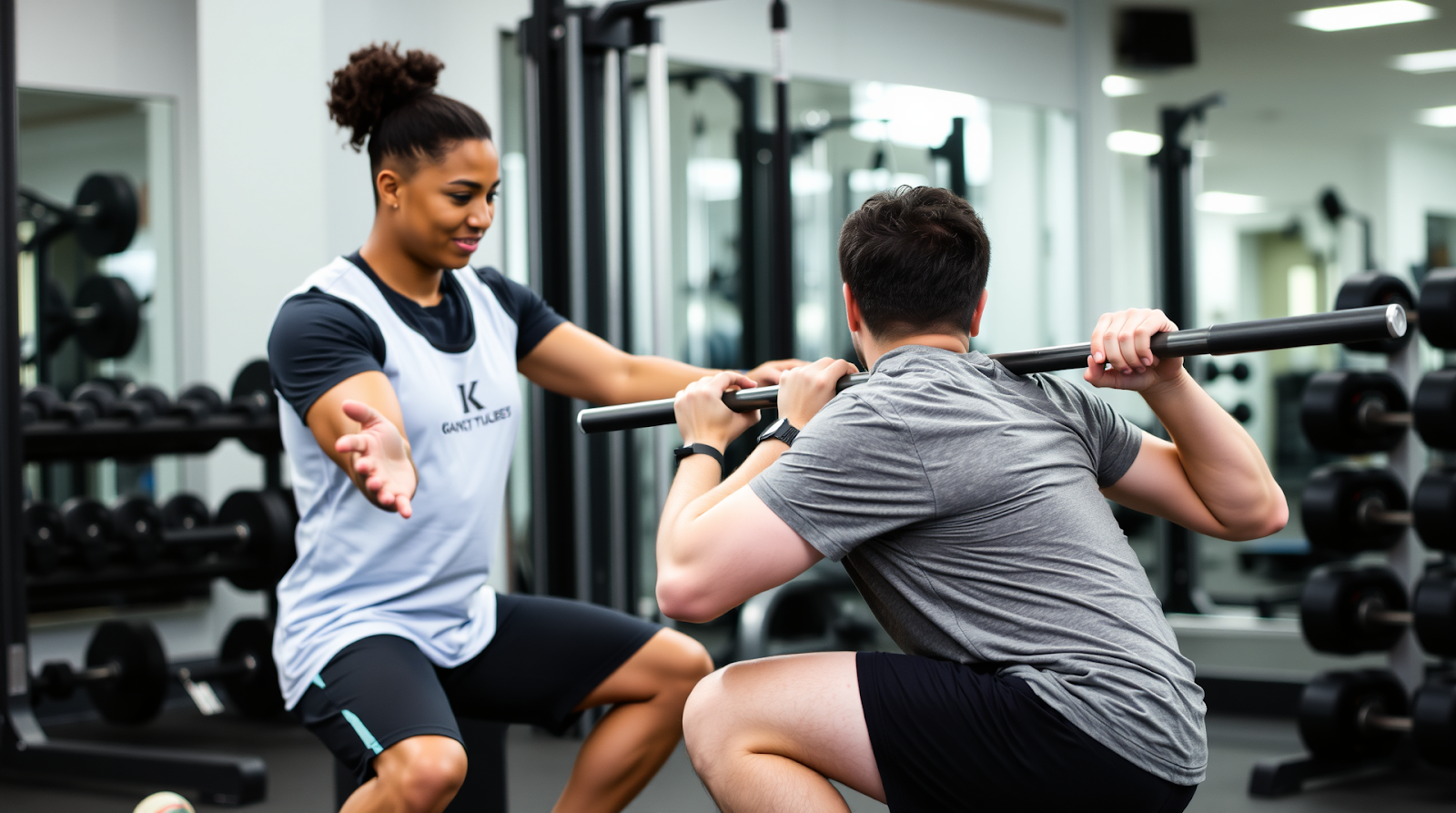
Hiring a certified personal trainer is a fantastic option for beginners. Trainers provide customized workout plans, ensure proper form to prevent injuries, and offer much-needed accountability. They can be particularly helpful in building confidence in a gym setting, making the environment less intimidating and more productive. [IL_ANCHOR: certified personal trainer]
For individuals with specific health conditions, previous injuries, or complex goals, consulting an exercise physiologist is highly recommended. These professionals can provide comprehensive assessments and develop highly tailored plans that account for your unique physiological needs, ensuring safety and maximizing efficacy.
The role of experts extends beyond just exercise; they are crucial in helping you maintain motivation and ensure consistent progression, adapting your plan as your fitness level evolves.
Personal trainers can help with proper form, motivation, accountability, and appropriate intensity.
🎯 Key Takeaway
For personalized plans, expert form correction, and specialized needs, a certified personal trainer or exercise physiologist offers invaluable support for your fitness journey.
Creating your first beginner workout plan is an empowering and transformative step towards achieving a healthier, more active lifestyle. This guide has equipped you with the foundational knowledge and practical steps needed to confidently embark on your fitness journey, emphasizing a balanced and sustainable approach.
Remember that consistency, dedication to proper form, and a holistic perspective encompassing exercise, nutrition, and recovery are the true keys to long-term success. Every small effort contributes to your overall well-being. Embrace the journey with patience, celebrate every milestone along the way, and enjoy the incredible benefits of a stronger, healthier you. Your fitness adventure starts now!
🎉 Your Fitness Journey Starts Now!
- ✅ Take that first step, no matter how small.
- ✅ Stay consistent, even on challenging days.
- ✅ Listen to your body and prioritize recovery.
- ✅ Celebrate your progress and enjoy the process.
What's the first step you'll take today to craft your personalized beginner workout plan?