
The Ultimate Diet Plan for Muscle Gain: Foods, Calories & Meals
Your Comprehensive Guide to Optimal Nutrition for Muscle Growth
Reading Time: 10 minutes
Sources & Credibility
DMoose
Authority score: medium. For 'skinny guys' struggling to gain weight, a calorie surplus is crucial...
CNET
Authority score: high. Highlights specific affordable, high-quality protein sources like Greek...
Good Housekeeping
Authority score: high. Registered dietitians emphasize that both animal and plant-based foo...
AARP
Authority score: high. Suggests that high-alkaline diets (fruits and vegetables like cruci...
SELF
Authority score: high. New research suggests that eating high-protein, whole foods (like m...
Are you struggling to gain muscle despite hitting the gym consistently? You're not alone. Achieving significant muscle growth isn't just about lifting heavy weights; a proper diet is equally, if not more, crucial. It’s the essential fuel that powers your workouts, repairs your muscle fibers, and ultimately leads to tangible gains.
This comprehensive guide will demystify the science behind building muscle through optimal nutrition. We’ll cover everything from calculating your ideal calorie and macronutrient intake to identifying key muscle-building foods and developing effective meal strategies. Whether you're a beginner or looking to break through a plateau, this diet plan for muscle gain will equip you with the knowledge to unlock your full potential and truly transform your physique.
📌 What You'll Learn
- ✅ The foundational principles of muscle-building nutrition, including calorie surplus and macros.
- ✅ Optimal protein intake and diverse food sources for muscle repair and growth.
- ✅ Strategies for incorporating essential carbohydrates and healthy fats.
- ✅ Practical guidance on meal planning, meal prepping, and advanced optimization tips.
- ✅ Examples and customization for your personalized muscle gain diet plan.
Fueling Your Gains: Understanding the Core Principles of a Muscle Building Diet
📊 Did you know? For individuals looking to gain muscle, a calorie surplus is 'crucial', and consistent intake is essential to meet metabolic demands (DMoose).
To achieve muscle hypertrophy, a calorie surplus is absolutely necessary. This means consuming more calories than your body burns, providing the excess energy needed for new muscle tissue synthesis. A moderate surplus helps prevent excessive fat accumulation, leading to a lean bulk diet. It is essential to monitor your progress over about 4 weeks and adjust your intake accordingly to ensure steady, healthy growth.
💡 Quick Tip: Think of your muscles as buildings! They need constant construction materials (protein) and energy (carbs/fats) to grow. If you're not seeing results, check your 'building budget' (calories)!
Beyond calories, understanding the three main macronutrients – protein, carbohydrates, and fats – is fundamental. Each plays a distinct yet vital role in muscle building. Consistent intake of these nutrients, coupled with proper hydration, is critical for optimizing your results. This foundational knowledge will empower you to make informed dietary choices tailored to your muscle gain goals.
The growth equation for muscle gain starts with defining your individual calorie needs and then adding a surplus. This moderate surplus is key to achieving a lean bulk diet, minimizing unwanted fat gain while maximizing muscle development. Regularly monitoring your weight and body composition, perhaps every four weeks, allows you to fine-tune your calorie intake to keep your progress on track.
Decoding macronutrients involves understanding their unique functions. Protein is universally recognized as the building block for muscle repair and growth. Carbohydrates serve as your body's primary energy source, fueling intense workouts and replenishing glycogen stores for quicker recovery. Healthy fats are crucial for hormone production, which plays a significant role in muscle synthesis, and overall physiological health.
🎯 Key Takeaway
lay the foundational understanding of nutritional requirements for muscle hypertrophy, emphasizing calorie surplus and macronutrient importance.
How Much Protein to Build Muscle Effectively?
❓ How much protein do you really need to build muscle effectively? Protein is the undeniable 'building block' for muscle tissue, but optimal intake is often misunderstood (Good Housekeeping).
Protein is the cornerstone of muscle growth, serving as the building blocks for muscle tissue repair and synthesis. To maximize gains, it's crucial to consume sufficient amounts consistently. Evidence-based recommendations suggest a daily protein intake ranging from 1.2 to 2.2 grams per kilogram of body weight, especially for athletes and those actively seeking muscle hypertrophy.
🎯 Did You Know? Spreading your protein intake evenly throughout the day, rather than just one large meal, can optimize muscle protein synthesis!
It's not just about total daily intake; consistent distribution of protein throughout the day is also emphasized, rather than consuming the majority in one sitting. This sustained supply helps maintain muscle protein synthesis. You should aim to differentiate between animal-based and plant-based protein sources, understanding their distinct contributions to your diet.
Optimal protein intake guidelines typically recommend 1.2-2.2g per kg of body weight for athletes. This range ensures enough amino acids are available for repair and growth. Emphasizing consistent protein distribution throughout the day, not just post-workout, is crucial for sustained muscle protein synthesis and recovery.
When it comes to top diverse protein sources, both animal and plant-based options offer significant benefits. Animal sources like chicken, lean meats, eggs, and dairy provide complete amino acid profiles essential for muscle growth. Plant-based sources such as tofu, beans, legumes, whole grains, and Greek yogurt can also be highly effective, though some may require combinations to ensure a complete amino acid profile. Notably, lean meat is often highlighted for its superiority in promoting muscle protein synthesis over higher-fat options.
Stresses that protein is vital for building, maintaining, and recovering muscles, advising athletes to pay extra attention to intake, with guidelines ranging from 1.2g/kg body weight and up.
🎯 Key Takeaway
detail the critical role of protein in muscle synthesis, providing specific intake recommendations and diverse food sources.
Essential Carbs and Healthy Fats for Sustainable Muscle Building
❓ Ever wondered why carbohydrates aren't just for energy, but also vital for your muscle-building journey? They're key to fueling workouts and replenishing glycogen stores (DMoose).
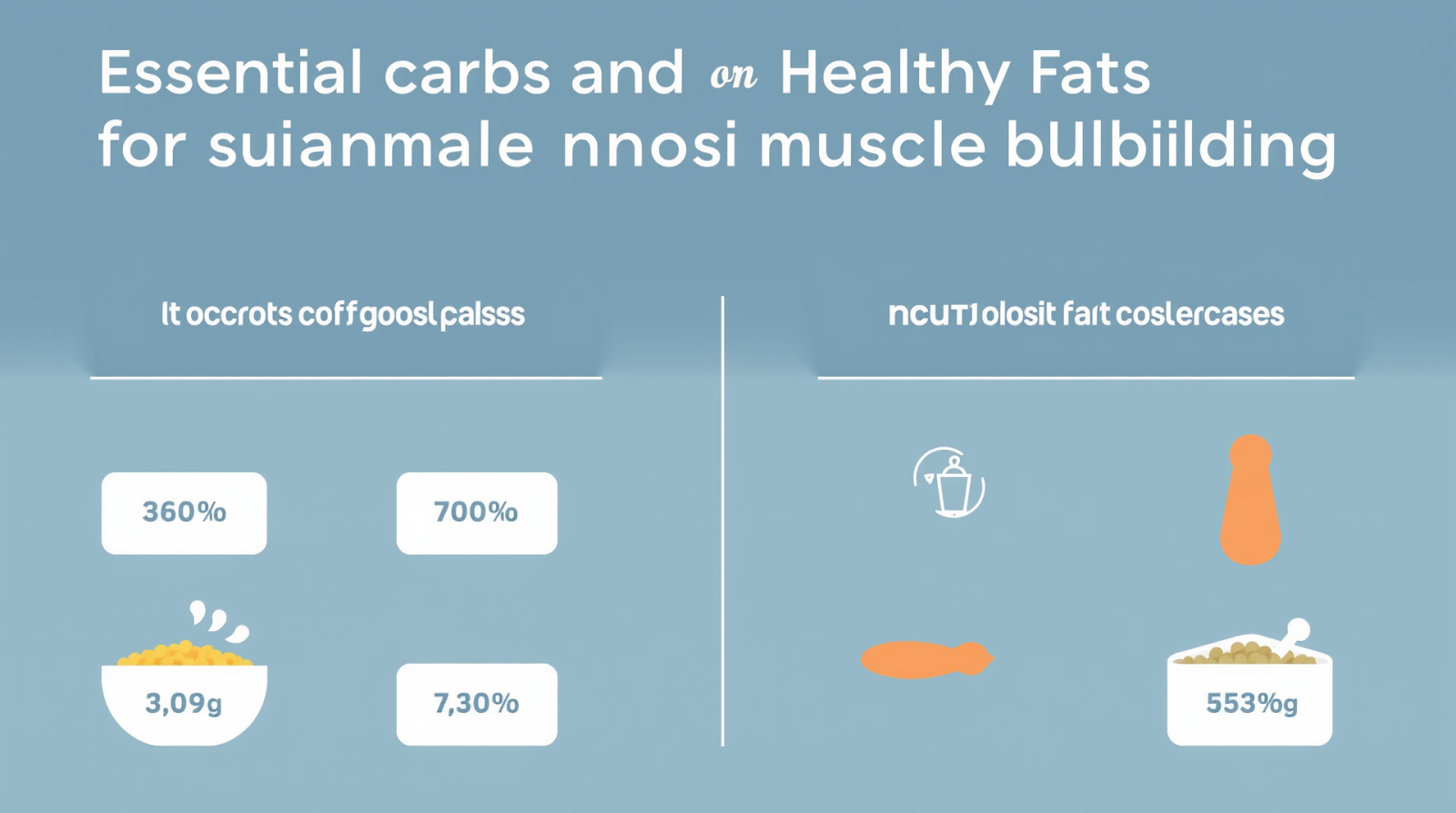
Carbohydrates are your body's primary energy source, essential for fueling intense workouts and replenishing muscle glycogen stores afterward. Without adequate carbs, your energy levels will suffer, impacting workout performance and recovery. It’s important to identify sources of complex and simple carbohydrates and understand the best timing for their intake.
💡 Quick Tip: Don't fear carbs! They are your primary fuel. Focus on complex carbs like oats and brown rice for sustained energy, especially around workouts.

Beyond energy, healthy fats play a critical role in hormone regulation, including testosterone production, which is vital for muscle growth. They also aid in the absorption of fat-soluble vitamins. Understanding the distinct roles of these macronutrients ensures a comprehensive approach to your diet plan for muscle gain.
For carbohydrate strategies, focusing on complex carbohydrates like oats, brown rice, and whole grains provides sustained energy. These are ideal for pre-workout fuel and throughout the day to support overall energy needs. Strategic timing of simple carbohydrates, such as post-workout, can offer quick recovery and help shuttle nutrients to muscles efficiently. Remember, pairing carbs with protein is synergistic for muscle synthesis.
Incorporating healthy fats into your diet is straightforward with sources like avocados, nuts, seeds, olive oil, and fatty fish. These foods are rich in monounsaturated and polyunsaturated fats, which are known for their benefits in hormone balance, reducing inflammation, and supporting overall cardiovascular health. Don't shy away from these benefits of healthy fats; they are integral to a well-rounded muscle-building diet.
🎯 Key Takeaway
educate readers on the importance of carbohydrates for energy and fats for hormonal health, crucial for a comprehensive diet plan for muscle gain.
Designing Your Personalized Bulking Meal Plan
💡 Did you know that successful lean muscle gain comes from 'sustainable habits' and intentional eating, rather than extreme bulking? Meal prep is a key strategy (Healthy Fresh Meals).
Structuring your daily meals is paramount for consistent muscle gain. A well-designed meal plan provides a framework for hitting your calorie and macronutrient targets reliably. You'll need to consider portion control, adjusting it based on your individual needs and how your body responds.
⏰ Did You Know? Meal prepping can save you hours each week and drastically improve adherence to your diet plan, making consistency much easier!
A crucial concept for adherence to any bulking meal plan is meal prepping. Preparing your meals in advance ensures you have healthy, muscle-building options readily available, reducing the likelihood of falling back on less optimal choices.
For a sample daily meal structure, consider consuming 4-6 meals and snacks per day. This approach helps maintain a steady supply of nutrients and keeps your metabolism active. Aim for balanced meals that combine protein, carbohydrates, and healthy fats. Remember, flexibility is key; adapt this structure to fit your personal schedule and preferences.
Meal prep for success and consistency by planning and cooking your meals in batches. This time-saving strategy significantly improves adherence to your diet plan. Focus on building sustainable habits for efficient meal prep strategies and lean muscle gain, rather than resorting to extreme or restrictive diets that are hard to maintain long-term. This consistency is what truly drives progress.
🎯 Key Takeaway
provide practical guidance on structuring daily meals and meal prepping for consistent muscle gain.
Optimizing Your Lean Bulk Diet and Recovery
📊 Research indicates that allowing '72 hours for muscle repair' before re-training the same group is crucial for muscle-building goals, alongside sufficient protein intake (Health).
To truly optimize your lean bulk diet and recovery, understanding nutrient timing around your workouts is essential. Pre and post-workout nutrition can significantly impact your energy levels during exercise and your body's ability to recover and grow afterward.
⚠️ Important: While supplements like creatine can be beneficial, they are supplements, not substitutes. Prioritize whole foods first!

Beyond whole foods, specific supplements like creatine can play a supportive role in enhancing muscle gain and performance. However, it's crucial to distinguish between essential nutrients from food and supplemental aids. Additionally, considerations for body recomposition and age-related muscle health offer advanced strategies for maximizing your efforts.
For pre-workout nutrition, easily digestible carbohydrates are recommended for immediate energy. Think fruit or a small bowl of oats. Post-workout, a combination of protein and carbohydrates is advised for muscle repair and glycogen replenishment. While shakes are convenient, whole foods can often be more effective in providing a broader spectrum of nutrients.
Regarding the role of supplements, creatine naturally aids muscle building by increasing cellular energy, and can be found in certain foods. While protein supplements can be helpful for convenience, remember that whole foods are generally preferred for comprehensive nutrient intake. Other supplements might play a role in recovery, but should always complement a solid diet. For example, explore creatine supplements only after your diet is dialed in.
Body recomposition, the long-term goal of simultaneously losing fat while gaining muscle, requires a nuanced dietary approach. As you age, specific dietary needs emerge to preserve muscle mass, including ample protein and certain vegetables. High-alkaline foods like cruciferous and beta-carotene rich vegetables can protect muscle health in older adults.
🎯 Key Takeaway
explore advanced strategies for maximizing muscle gain, including nutrient timing, specific supplements, and considerations for body recomposition and aging.
Practical Diet Plans for Muscle Gain: Examples & Customization
❓ Struggling to hit your protein targets, especially with a vegetarian diet? Many individuals fall short despite needing 0.8-1g/kg for muscle (Times of India).
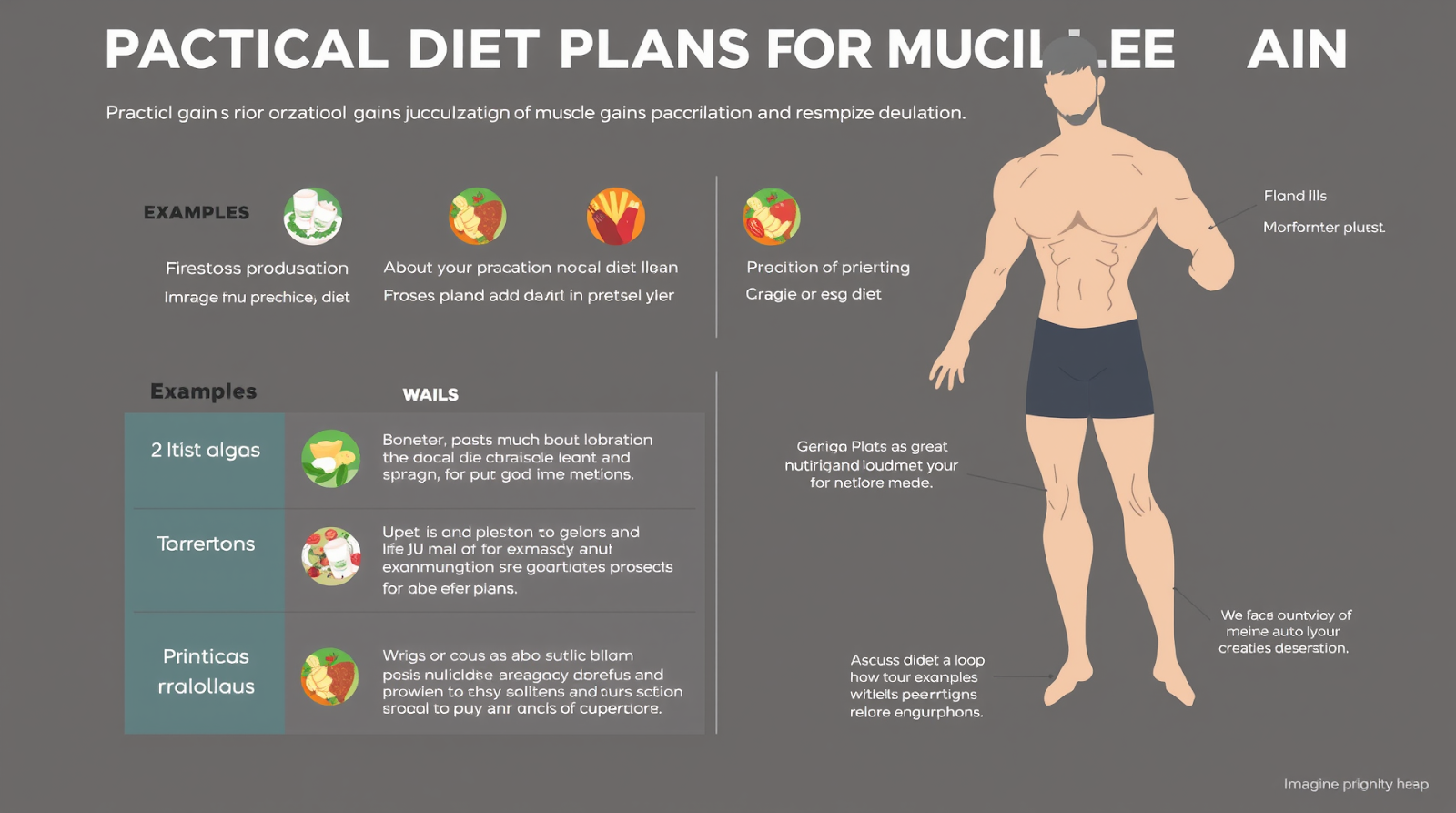
Implementing a muscle gain diet successfully often comes down to actionable examples and practical tips. A conceptual 7-day meal plan framework can serve as an excellent starting point, illustrating how to combine foods to meet your targets.
🌱 Quick Tip: For vegetarian muscle gain, combine different plant protein sources throughout the day (e.g., rice and beans) to ensure you get all essential amino acids.
It's also crucial to address specialized dietary needs, such as muscle gain for vegetarians. Adapting your plan with protein swaps and diverse sources ensures everyone can achieve their goals. Finally, general tips for adherence focus on making small, impactful changes for long-term success.
A 7-day meal plan framework should outline a sample week of meals with varying food combinations. Emphasize variety and nutrient density within the plan, ensuring a broad spectrum of vitamins and minerals. For truly personalized plans based on your individual factors, body composition, and health history, always advise consultation with a qualified dietitian.
For vegetarian protein options, plenty of protein-rich vegetarian foods and meal ideas exist. Think lentils, chickpeas, tofu, tempeh, quinoa, and seitan. Easy protein swaps can also be made for various cultural cuisines, like Indian meals, by incorporating paneer, dals, and fortified plant-based yogurts. Highlighting how plant-based proteins can be as effective as meat for muscle growth, when consumed strategically, is key.
For consistency and long-term success, advise on tracking your food intake and progress. This helps you understand what's working and where adjustments are needed. Encourage making gradual changes rather than drastic overhauls, focusing on building sustainable habits. Finally, remind readers of the importance of adequate rest for muscle recovery, which is just as crucial as diet and training.
🎯 Key Takeaway
provide actionable examples and practical tips for implementing a muscle gain diet, including specialized dietary needs.